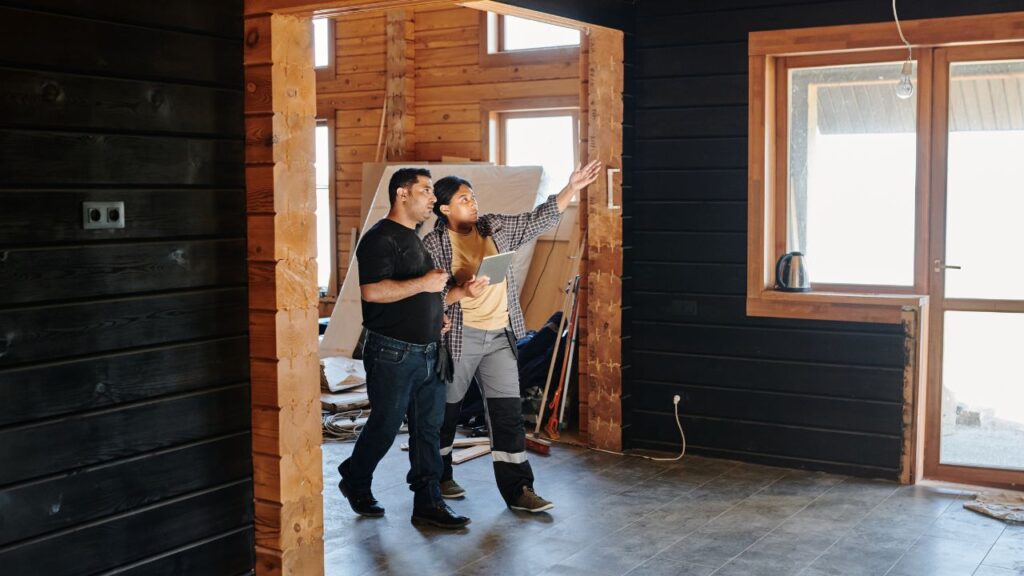
Inspectors Australia-Wide
We operate across all major cities and regional centres, with qualified local inspectors ready to deliver compliant, high-quality dilapidation reports wherever your project is located,from Sydney to Perth, Melbourne to Darwin.
Independent & Fully Qualified Professionals
All reports are carried out by licensed building inspectors or structural engineers, ensuring unbiased assessments backed by industry expertise — trusted by developers, builders, councils, and property owners Australia-wide.
Rapid Turnaround & Digital Delivery
With nationwide coverage and streamlined systems, we provide fast bookings, next-day reporting in most areas, and fully digitised, photographic documentation — so you’re always ready to meet deadlines or council requirements.
Your Australian Dilapidation Report Pros
Australia’s specialist provider of pre-construction property condition reports, proudly servicing Australians main cities and surrounding regions.
We help protect builders, homeowners, developers, and neighbours from costly disputes by providing comprehensive, photographic dilapidation reports before any construction, excavation, or demolition takes place.
Our qualified inspectors document visible defects and existing conditions in walls, fences, driveways, and structures, delivering clear, timestamped evidence that aligns with local planning laws and local council DA requirements.
What Is a Dilapidation Report?
Before the first brick is laid or the soil is disturbed, a dilapidation report ensures there’s a crystal-clear record of the existing condition of nearby properties. Compiled by a qualified building inspector or structural engineer, it includes:
- High-resolution photographic evidence of cracks, structural shifts, or surface damage.
- Detailed written descriptions of walls, ceilings, driveways, fences, and adjoining properties.
- A legally admissible record that acts as a baseline reference in case damage is later claimed during construction or excavation.
This isn’t just an optional extra. It’s a preventative tool, a risk minimizer, and often a council-mandated requirement in development applications.
Dilapidation Report Services Available Across Australia
Trusted local inspectors in every major city, suburb, and regional centre.

Melbourne Dilapidation Reports

Sydney Dilapidation Reports

Brisbane Dilapidation Reports

Adelaide Dilapidation Reports

Perth Dilapidation Reports

Why Dilapidation Reports Matter
Construction projects carry risks, vibrations, shifting ground, accidental impact.
Without documented proof of a property’s pre-construction state, property owners and builders are left vulnerable to costly disputes.
Here’s how a professional dilapidation report protects everyone involved:
- Avoid Disputes: Clear before-and-after evidence diffuses blame and keeps relationships intact.
- Mitigate Liability: Builders aren’t held responsible for pre-existing structural flaws.
- Support Insurance Claims: Strong visual documentation backs legal and financial protections.
- Ensure Compliance: Many local councils require these reports as part of the DA (Development Application) process.
Whether you’re the builder, developer, neighbour, or owner, this report keeps things fair and transparent.
Dilapidation Report FAQs
A dilapidation report documents the condition of your property before nearby construction begins, protecting you with evidence of pre-existing conditions.
Construction vibrations and ground movement can damage your property. A dilapidation report proves pre-existing conditions, making it easier to claim compensation if damage occurs.
Most inspections are completed within 1-2 hours, with the comprehensive report delivered within 24-48 hours including photos and documentation.
FAQs for NSW
Use this space to provide your website visitors with a brief description on what to expect before clicking on a section title.
NSW Building FAQs